Card NetworkCard Brand / Network
Card Network: Definition & Guide
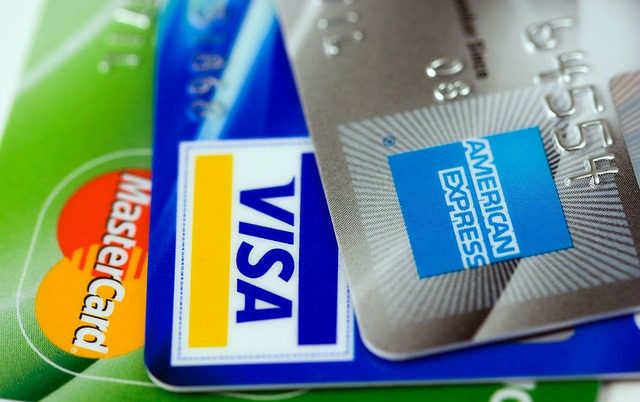
A card network — also called a card brand — is the payment network (Visa, Mastercard, Discover, or American Express) that routes transactions between issuing banks and acquiring banks, sets interchange rates, and establishes the card brand rules that govern how payments are accepted, disputed, and settled. The Federal Reserve’s interchange fee data documents the rates these networks establish across billions of U.S. card transactions annually.
Visa and Mastercard don’t issue credit cards or hold your money — they operate the infrastructure that connects your payment terminal to the customer’s bank. Think of them as the highway system: the banks are the cars, the merchants are the destinations, and the network is the road that makes the connection possible.
Every network sets its own interchange rates, operating rules, and dispute procedures. When a customer pays with a Visa card issued by Chase, Visa’s network handles the routing, Visa’s interchange schedule determines the base fee, and Visa’s dispute rules govern any chargeback that follows — even though Chase is the bank that actually issued the card. This is the Visa Mastercard network model: the network and the issuer are separate entities working together under the network’s framework.
Card brand rules also govern what merchants can and cannot do when accepting cards — including rules around surcharging, cash discounting, minimum purchase amounts, and required signage. Non-compliance with card brand rules can result in fines or loss of card acceptance privileges. The CFPB’s credit card guidance provides additional context on consumer protections embedded in network rules.
The four major networks each operate independently with their own rates and rules. Merchants who accept all four have separate agreements (directly or through their processor) for each network.
- Visa — largest network by volume in the U.S. Sets interchange rates; does not issue cards directly. Cards issued by banks like Chase, Wells Fargo, and Bank of America.
- Mastercard — second largest. Same model as Visa — sets rates and rules, does not issue cards. Widely accepted globally.
- Discover — operates as both network and issuer for its own cards. Also powers the PULSE debit network. Lower merchant fees historically, but lower cardholder base.
- American Express — traditionally both network and issuer, commanding higher interchange rates. The OptBlue program allows smaller merchants to accept Amex through their existing processor at competitive rates.
The network determines the base interchange rate for every transaction — and interchange is the largest component of your processing fees. Network assessment fees (typically 0.13–0.15% of volume) are charged on top of interchange and are visible as separate line items on an interchange-plus statement.
Understanding the payment network definition helps merchants evaluate their pricing model. On flat-rate pricing, network fees are hidden inside the blended rate. On interchange-plus, every network’s fees appear separately — giving you full visibility into what each card type actually costs. See our pricing model comparison for how this plays out across different business types.
The network (Visa, Mastercard) sets the rules and routes transactions. Banks issue the actual cards and hold the cardholder’s funds. A Chase Visa card uses Chase as the issuer and Visa as the network — two separate entities with different roles.
Networks charge assessment fees — typically 0.13–0.15% of processing volume — on top of interchange. These are pass-through costs visible as separate line items on interchange-plus statements. On flat-rate pricing, they’re absorbed into the blended rate.
Traditionally yes — Amex acted as both network and issuer and set higher rates. Since the OptBlue program, many merchants accept Amex at competitive rates through their existing processor without a separate Amex agreement.
Card brand rules are the operating regulations each network sets for merchants. They govern surcharging, cash discounting, minimum purchase requirements, required signage, and dispute procedures. Violations can result in fines or loss of card acceptance privileges. Learn more about payment processing consumer protections from the CFPB.
Each Card Network Charges Different Rates. Your Mix Drives Your Total Cost More Than Your Pricing Model.
Send us your last processing statement. We will calculate your share of Visa, Mastercard, Amex, and Discover, identify whether your card mix is driving your effective rate higher than the model alone would suggest, and show you what a fair effective rate looks like at your volume.
Request a Free Statement ReviewNo obligation • For glossary readers comparing pricing models and processor options • Response within one business day