Barry Had the Land. He Just Did Not Have a Plan. We Fixed That in About Twenty Minutes.
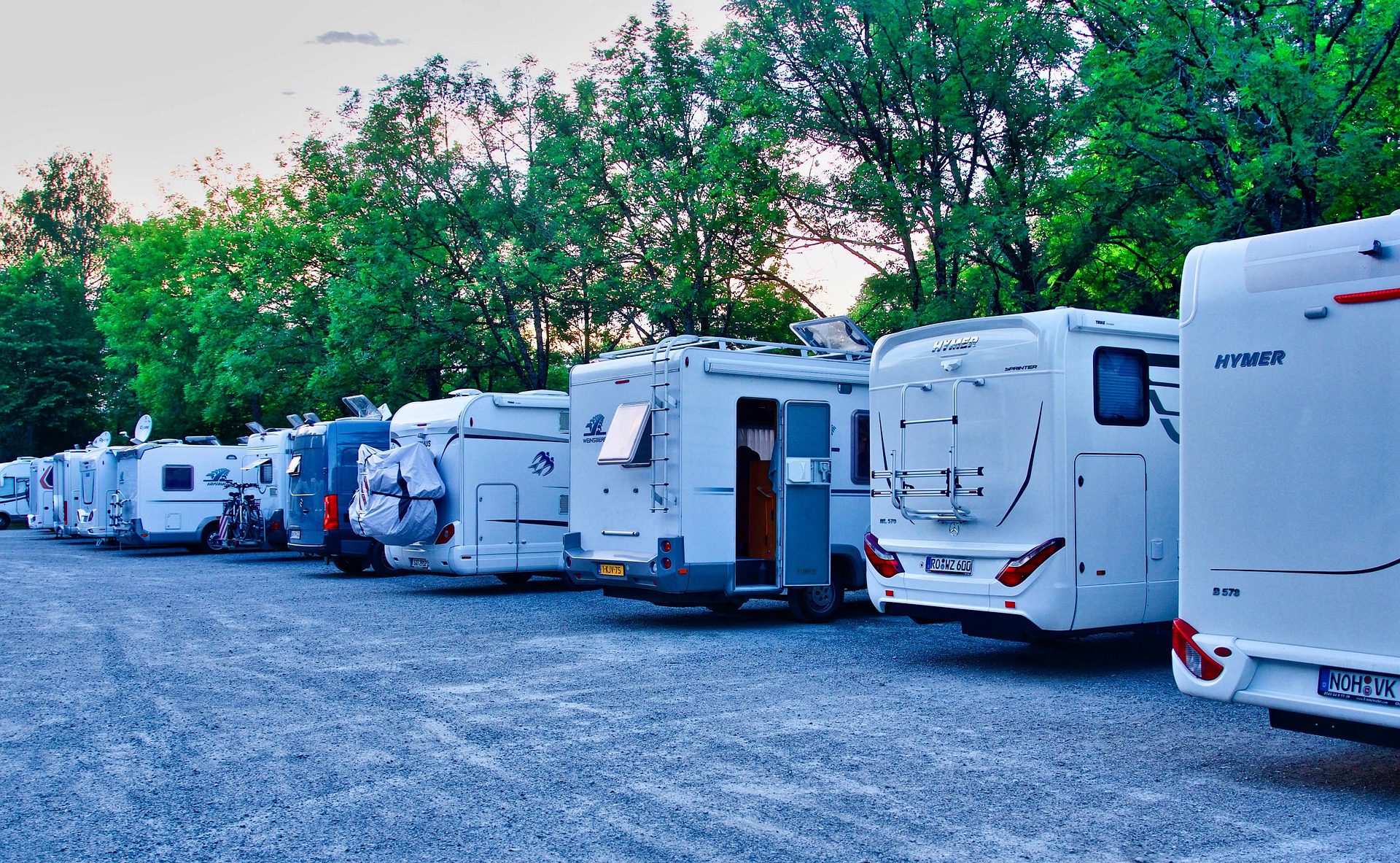
Barry Had the Land. He Just Did Not Have a Plan.
RV park marketing is the piece most new park owners skip — and the reason most of them sit empty for six months. This is the third time I have visited Barry’s shop. The first time, he had five business ideas and no way to choose between them. The second time, he had a framework for choosing. This time, he had made a decision.
The land had been sitting for two years. Eleven acres outside Charlotte — flat, accessible from the highway, no significant development costs. He had been thinking about it the way most people think about a problem they are not ready to solve: occasionally, with mild guilt, and then not at all.
But the prioritization work had done something. The land was low effort. A simple RV park — no frills, no amenities beyond the basics — could generate real income without a significant build. He had done some rough math. The numbers were interesting.
What he did not have was a plan for getting customers there. I opened my laptop. He pulled up a chair.
RV Park Marketing Starts Before the First Guest Arrives
RV park marketing is not complicated, but it requires thinking about it in the right order. Before Barry spent a dollar on advertising, there were a few foundational things that needed to exist.
A one-page site with the location, hookup types, nightly rate, and a phone number or booking link. Travelers search “RV parks near Charlotte” — if you are not findable, you do not exist.
The single highest-return RV park marketing action. Free to set up, shows up in Google Maps, and drives direct inquiries from travelers who are already looking. For an RV park, this is not optional. It is the baseline.
Harvest Hosts, Campendium, RV Life, The Dyrt, and Campsite Photos are where RV travelers actually search. Getting listed on two or three of these before opening costs nothing and generates bookings before you have any other marketing working.
Barry wrote all three down. None of them required money. All of them required an afternoon. The SBA’s small business management guide confirms what every experienced park owner already knows — rv park business tips that actually work are about sequence, not spend.
A Real RV Park Marketing Plan — Built in Barry’s Shop
What follows is the actual plan we put together. Not a template. Not a generic framework. This is what I built for Barry’s specific situation — eleven acres outside Charlotte, simple hookups, no frills, owner-operated.
Situation: Owner-operated RV park, simple hookup sites, no amenities beyond power/water/sewer, located near a major highway corridor outside Charlotte, NC. Goal: generate consistent occupancy within 90 days of opening at minimal marketing spend.
Phase 1 — Foundation (Week 1–2, $0)
- Claim and fully complete Google Business Profile — photos, hours, hookup types, nightly rate, booking link
- Set up a one-page website: name, location, rates, photo, contact/booking. Cost: $16/month.
- List on The Dyrt (free tier), Campendium (free), and RV Life (free). Submit to Campsite Photos.
- Join one Facebook group for RV travelers in the Southeast and introduce the park.
- Set your opening rate 10–15% below local competition. You are buying reviews, not revenue, in month one.
Phase 2 — Reviews and Repeat (Month 1–3, ~$50/month)
- Ask every guest for a Google review before they leave — in person, at checkout.
- Respond to every review — positive and negative — within 24 hours.
- Collect guest emails at check-in. One simple form.
- Take one good photo per week. Post to Google Business Profile and The Dyrt.
- Upgrade to The Dyrt Pro listing ($49/year) after your first 10 reviews.
Phase 3 — Fill the Calendar (Month 3–6, ~$100/month)
- Email your guest list once a month. One photo, one update, one reason to come back.
- Create a 10% discount for returning guests who book direct. Eliminates platform fees.
- Run a midweek rate $5–$8 lower on slow nights (Sunday–Thursday).
- Contact workamper communities. Trade a week of light maintenance for a free site.
- Run one $50 Facebook ad targeted at RV owners within 200 miles, promoting midweek rate.
Revenue Projection — Conservative
Assumes 10 hookup sites, seasonal market (April–October peak), no amenity fees. Planning benchmark, not a guarantee.
The Part That Surprised Him Was Not the Plan
Barry looked at the plan for a minute. He asked a couple of questions — what is Campendium, what is a workamper — and I answered them. Then he leaned back and said something I was not expecting.
“How long did that take you?”
Twenty minutes, maybe a little less.
He had been thinking about the RV park as a problem he needed to hire someone to solve eventually. A consultant. A marketing firm. He had been deferring it because that version of the solution felt expensive and far away. The plan sitting in front of him was enough to start — and starting was the thing he had not been able to do.
Every Business Owner Has a Version of Barry’s Land
Barry’s land was literal. Eleven acres sitting idle because the path from idea to action had too many unknown steps in the middle. Once the steps were visible, the decision was easy.
Most small business owners have something similar — not land, but an idea, a project, a revenue opportunity that has been sitting in the background because it felt too complicated to start. The complication is usually the plan, not the execution.
His RV park marketing is already in motion — a Google Business Profile and a listing on The Dyrt, both live before the first guest arrives. He took the rate 12% below the nearest competitor for the first month. He has a sequence. When the time comes for rv park merchant services, the payment setup will take fifteen minutes — just like Barbara’s did. That is what the last three visits were actually about.
Frequently Asked Questions
Claiming and completing your Google Business Profile is the single highest-return action for a new RV park. It is free, shows up in Google Maps, and drives direct inquiries from travelers who are already searching for a place to stay. Get this done before you spend a dollar on anything else.
Start with The Dyrt, Campendium, and RV Life — all free to list on. These are where RV travelers actually search. Getting listed before you open costs nothing and can generate bookings before you have reviews or a marketing budget.
With consistent execution — a complete Google Business Profile, listings on two or three major platforms, and a deliberate review strategy — most owner-operated parks reach 60 to 70 percent occupancy within 90 days. Month one is about buying reviews at a slightly lower rate. Month three is about filling the calendar with return guests and referrals.
Before switching processors entirely, there are tactical ways to reduce your processing rate within your current account.
Read the Full Series
When Your RV Park Starts Taking Cards, Make Sure You Are Not Giving Half Back in Fees.
Most new small businesses default to Square or Stripe because setup is fast. For a seasonal business like an RV park, the cost difference between flat-rate and interchange-plus pricing in campground payment processing adds up quickly. RV park credit card processing runs heavy on debit cards, which means interchange-plus saves more than it would for a typical retailer — especially on debit cards, which are common in the campground market. Send us your expected volume and we will show you what the right setup costs.
For merchants who have outgrown flat-rate aggregators, Square alternatives built on real merchant accounts typically cut effective rates by 20–35%.
Request a Free Statement ReviewNo obligation • No pressure • Response within one business day