Card-PresentCard-Present Transaction Definition & Guide
Card-Present Transaction: Definition & Guide
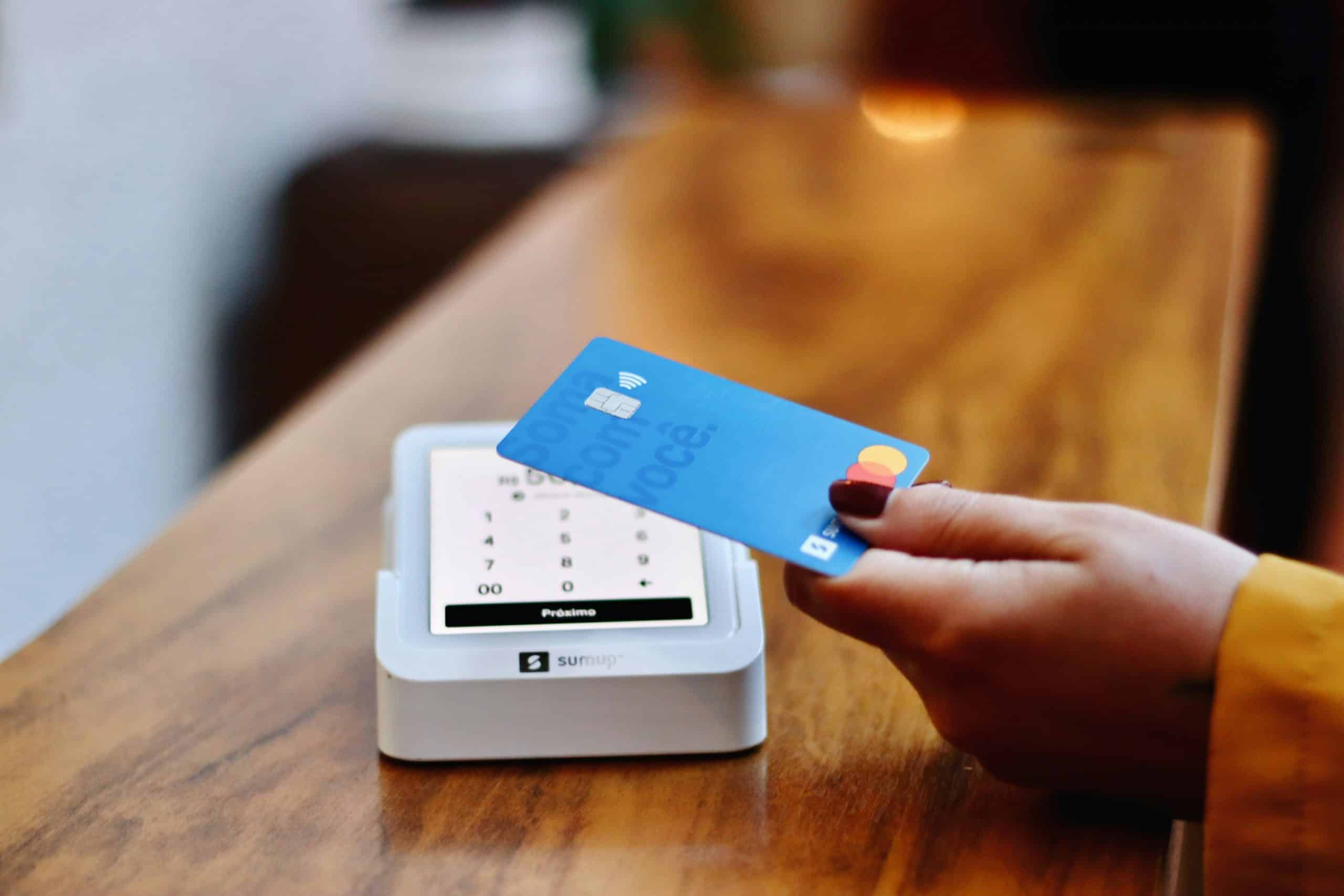
A card present transaction is any payment where the physical card is used at the point of sale — chip inserted, tapped via NFC, or swiped through a magnetic stripe reader. Because the card is physically verified at the terminal, fraud risk is significantly lower than card-not-present transactions, and interchange rates reflect that difference. Card present is the default for brick-and-mortar businesses: restaurants, retail shops, contractors who bring a mobile terminal on-site, and any merchant who processes payments face to face. According to the Federal Reserve’s interchange fee data, card present rates have remained consistently below card-not-present rates across all card categories.
Card present vs card not present is the most fundamental cost distinction in payment processing. When a card is physically verified at the terminal — chip, tap, or swipe — the issuing bank has stronger confirmation the transaction is legitimate. That reduced fraud risk translates directly to lower interchange. When the same card is used online or over the phone, the bank cannot verify physical possession, so it charges more to offset the higher fraud exposure.
In-person card processing qualifies for the lowest available interchange rates on any given card type. The entry method within that category still matters — chip transactions cost less than swipe, and keyed entry loses the lower rate entirely even if the customer is standing in front of you.
Before switching processors entirely, there are tactical ways to reduce your processing rate within your current account.
Not all in-person transactions are priced equally. Entry method affects interchange within this category:
- EMV chip (dip) — Lowest fraud risk, lowest interchange. The standard for in-person payments and swiped transaction replacement.
- Contactless NFC (tap) — Same interchange category as chip in most cases. Faster checkout, same rate.
- Magnetic stripe (swipe) — Higher interchange than chip due to lower fraud protection. Accepted but increasingly discouraged by card networks.
- Keyed entry — Even if the card is physically present, manually keying the number classifies the transaction as card-not-present and incurs higher interchange. Always use chip or tap when available.
The CFPB’s guidance on card payment security reinforces that chip and contactless verification provide the strongest consumer protections — which is why card networks price them favorably.
Yes, in almost all cases. In-person card processing carries lower interchange because physical card verification reduces fraud risk. The exception is certain commercial or rewards cards where the card type premium outweighs the entry method benefit.
Yes. Contactless NFC tap payments qualify as card present and receive the same lower interchange rates as chip transactions in most cases.
Card present interchange rates run 0.2–0.5% lower than card-not-present rates on the same card type. For businesses processing at high volume, that difference compounds significantly. Under interchange-plus pricing, the split is visible on every statement.
Card-Present Transactions Should Earn You the Lowest Rates Available. Most Statements Show Whether They Are.
Send us your last processing statement. We will calculate your card-present qualification rate, identify any downgrades to non-qualified or mid-qualified tiers, and show you what a fair effective rate looks like at your volume.
Request a Free Statement ReviewNo obligation • For glossary readers comparing pricing models and processor options • Response within one business day