EMV Chip CardChip Card Definition & Merchant Guide
EMV Chip Card: Definition & Guide
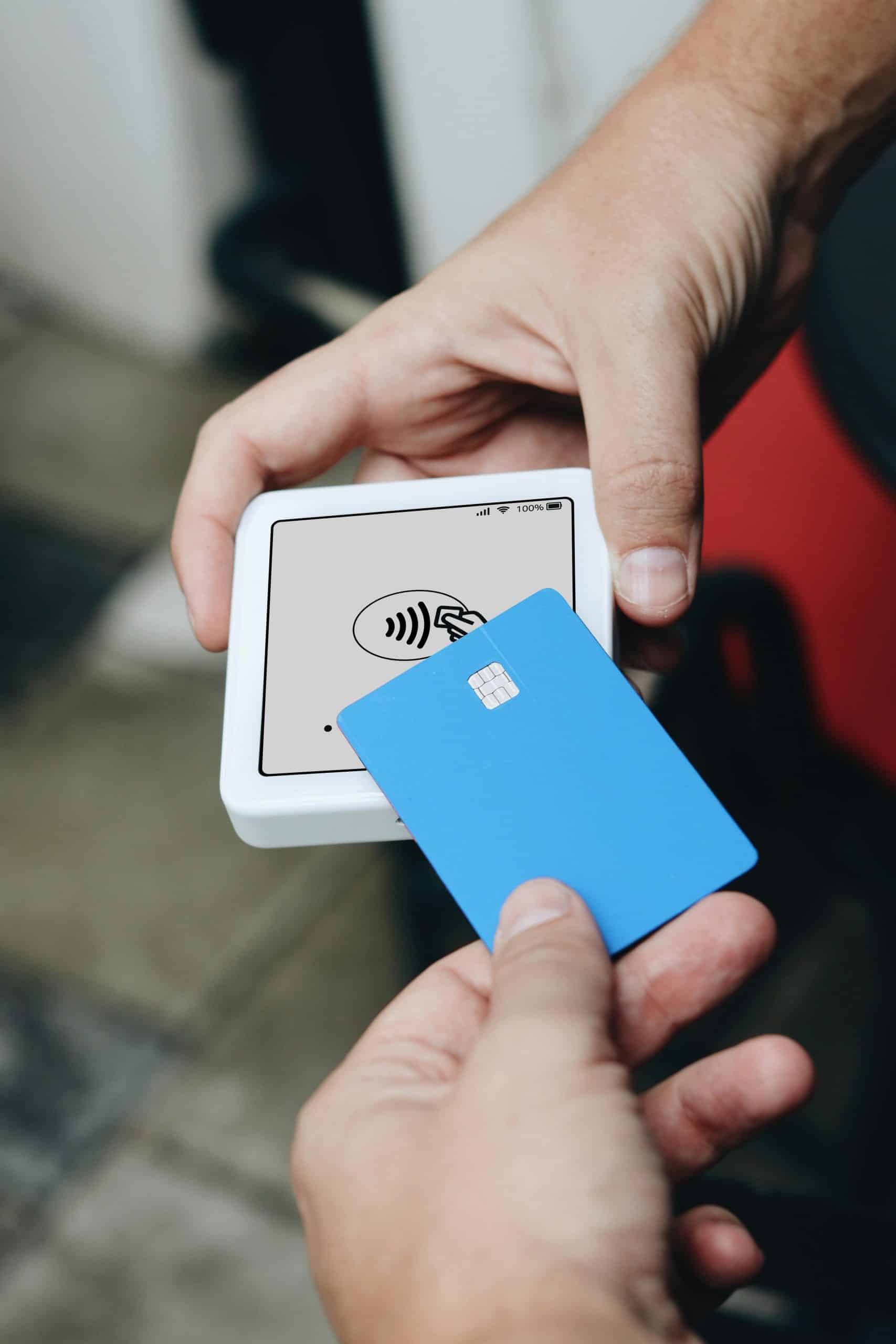
An EMV chip card is a payment card embedded with a microchip that generates a unique cryptogram for each transaction, making it nearly impossible to clone. EMV stands for Europay, Mastercard, and Visa — the three companies that developed the global chip card standard. Unlike a magnetic stripe, which contains static data that can be copied and reused, the EMV chip produces a one-time code that is useless to anyone who intercepts it. See Federal Reserve payment system data on how EMV adoption reduced counterfeit fraud at in-person terminals.
Every time a customer dips an EMV chip card, the chip creates a transaction code that only works once. Even if someone steals that code, they cannot use it again. A magnetic stripe does the opposite — it stores the same data every time, which is why stripe cards can be skimmed and cloned. For merchants, the difference matters beyond fraud prevention: accepting chip payments shifts counterfeit fraud liability away from the merchant and onto the card issuer. Merchants still running swipe-only terminals bear that liability themselves. See CFPB guidance on card payment security for consumer protection context.
Since October 2015, card networks have enforced an EMV compliance rule: if a counterfeit card is used at a merchant without a chip-enabled terminal, the merchant bears the fraud loss. If the same card is used at a chip-enabled EMV terminal, the liability shifts back to the issuing bank.
This is not a fine or a penalty — it is a reallocation of existing fraud risk. Merchants who upgraded to an EMV terminal in 2015 protected themselves from counterfeit fraud losses they previously had no control over. Merchants still on swipe-only equipment are absorbing a liability that chip acceptance would eliminate. The liability shift applies to counterfeit fraud only — not to lost or stolen card fraud.
All three capture card data differently — and each carries different interchange and fraud implications:
- EMV chip (dip) — Generates a unique cryptogram per transaction. Lowest counterfeit fraud risk. Qualifies for card-present interchange rates. Liability shifts to issuer on counterfeit fraud.
- Contactless NFC (tap) — Uses tokenization rather than a cryptogram. Equivalent interchange to chip in most cases. Same fraud protection, faster checkout. Chip and PIN equivalent for most transactions.
- Magnetic stripe (swipe) — Static data that can be copied. Higher interchange than chip. Merchant bears counterfeit fraud liability. Being phased out by most card networks.
Under interchange-plus pricing, the cost difference between chip and swipe entry methods appears clearly on every statement. Under flat-rate pricing, it is invisible — you pay the same blended rate regardless of how the card was read.
Since October 2015, merchants who process a counterfeit card on a non-chip terminal bear the fraud loss. Merchants with chip-enabled terminals shift that liability to the issuing bank. The shift applies to counterfeit fraud only — not to lost or stolen card fraud.
It is not legally required, but it is strongly advisable. Merchants without EMV compliance bear counterfeit fraud liability that chip acceptance would eliminate. Most processors also price chip card payment processing at lower interchange rates than magnetic stripe, making EMV acceptance financially beneficial beyond fraud protection.
Yes. Magnetic-stripe-only terminals cannot read chip cards. Most terminals purchased after 2015 support EMV. Upgrading eliminates counterfeit fraud liability and reduces interchange costs on chip-capable cards. Any modern EMV chip card reader will support both dip and tap acceptance. Contact Brookside to confirm compatibility with your current setup.
Swipe-Only Transactions on EMV-Capable Cards Pay Higher Rates and Carry Chargeback Liability.
Send us your last processing statement. We will identify your share of swipe versus chip transactions, calculate the rate-differential cost, and show you what a fair effective rate looks like once your terminals are EMV-compliant.
Request a Free Statement ReviewNo obligation • For glossary readers comparing pricing models and processor options • Response within one business day