Utility Payment Processing: Merchant Services for Municipal Billing
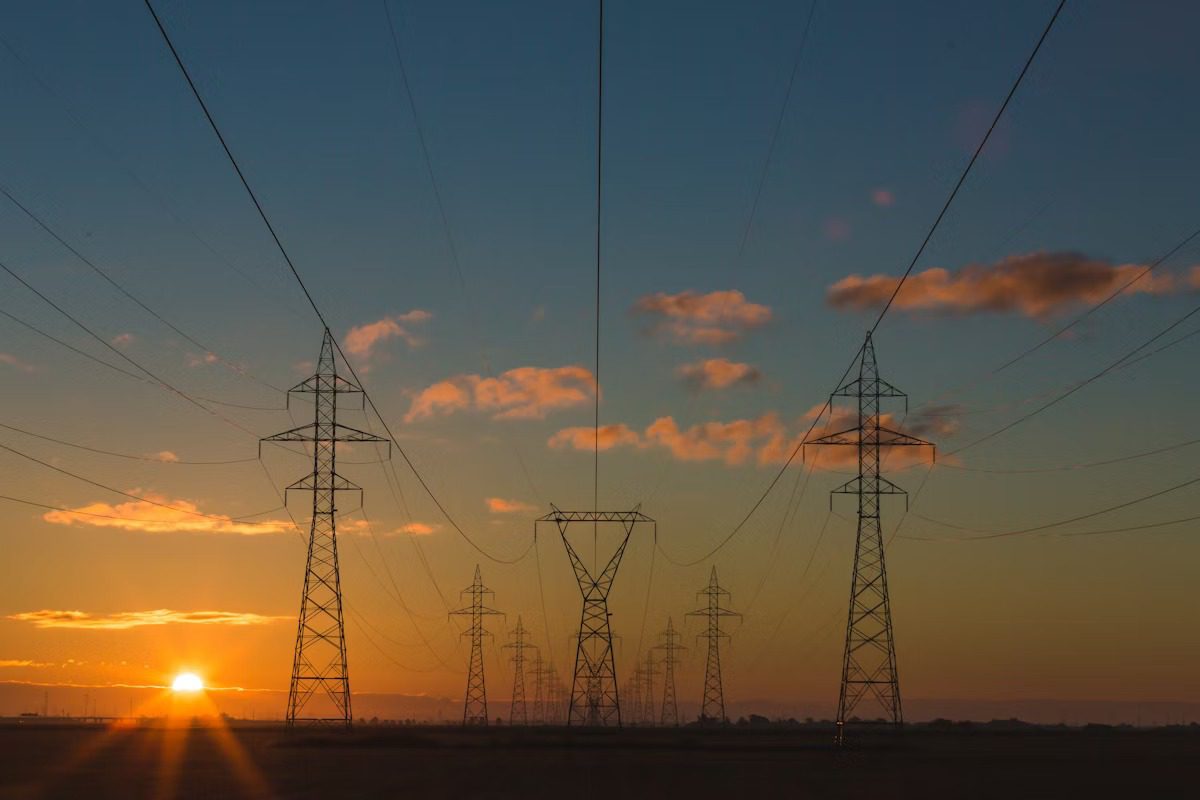
Utility payment processing and utility merchant services for municipal water, electric, sewer, and gas providers collecting recurring payments at scale. The utility industry has one of the highest convenience fee adoption rates of any merchant category — and for good reason. It is also why Xpress Bill Pay complaints so often trace back to a third-party biller’s fee and the autopay engine it controls. Brookside provides compliant convenience fee programs, ACH support, bill presentment integration, and transparent pricing designed specifically for these environments.
What Does a Utility Payment Cost to Process?
Visa and Mastercard both price a consumer utility payment at a flat $0.75 per transaction, with a percentage rate of zero. A water, sewer, gas, or sanitation biller coded to merchant category 4900 qualifies for that published utility interchange rate, which means any percentage charged on a utility payment is processor markup rather than network cost. The full published rates by industry are in our software payment processing fees breakdown.
Convenience Fee Is the Standard for Utilities
Zero Net Processing Cost
Ratepayers expect to pay their utility bills online or by phone. What utilities don’t have to do is absorb the card processing cost on every transaction. A properly disclosed convenience fee program passes card processing costs to the payor before the transaction is completed — the ratepayer sees the fee, accepts it, and pays. The utility collects the full bill amount with zero net processing cost.
This is the dominant model for a straightforward reason: utility bills are non-discretionary. A $150 water bill or $220 electric bill isn’t a luxury purchase — the ratepayer has no alternative but to pay. Convenience fees on utility payments are widely expected, consistently accepted, and explicitly sanctioned by Visa, Mastercard, and Discover for qualifying entities. According to Federal Reserve interchange fee data, card processing costs represent a significant operating budget line item for utilities — convenience fee programs eliminate that cost entirely.
ACH: The Lowest-Cost Channel for Water Bill Payment Processing
The Numbers at Scale
For utilities with high-volume recurring billing, ACH is often the lowest-cost payment channel regardless of whether a convenience fee program is in place. ACH bank transfers cost a flat fee of $0.25–$0.75 per transaction regardless of payment size — compared to 1.5–2.5% for card payments. For a $150 utility bill, ACH saves $2.00–$3.00 per transaction. At 10,000 transactions per month, that’s $20,000–$30,000 in annual processing cost reduction. Learn more about ACH payment standards from NACHA. The right setup offers ratepayers both ACH and card options — with appropriate fee transparency for each channel.
Municipal Utility Payments: Billing and Collection Channels
Bill Presentment: See and Pay in One Place
Bill presentment systems push the bill directly to the ratepayer for online payment — the citizen logs in, sees the current balance and bill detail, and pays in a single session. This is the most effective channel for reducing late payments and phone-based customer service load. A properly integrated bill presentment system connects directly to your existing billing software, pulls current balances, and routes payments back with full reconciliation reporting. Convenience fees can be applied consistently within this channel — the ratepayer sees the fee before completing payment and chooses to proceed. The CFPB’s guidance on payment disclosures provides relevant context for upfront fee disclosure requirements.
Online Payment Portals
Standalone online portals allow ratepayers to navigate directly to a payment page and pay by card or ACH. Portals are simpler to implement than full bill presentment and work well for utilities that don’t need to display detailed bill history. Convenience fees are disclosed at the payment screen before the transaction is submitted. Our what is a merchant account overview explains why a dedicated utilities merchant account produces better cost outcomes and account stability than shared payment facilitator platforms.
IVR and Automated Phone Payment
Many utility customers still prefer phone-based payment. IVR (Interactive Voice Response) payment systems integrate with merchant accounts to accept card and ACH payments by phone without staff involvement. These transactions are classified as card-not-present and should be configured to qualify correctly under your pricing structure. Convenience fees can be disclosed through the IVR audio prompt before payment is captured.
Recurring Billing and Autopay
Autopay enrollment reduces collection effort and late payment rates significantly. Proper recurring billing for utilities requires tokenization and clear ratepayer authorization workflows — stored credentials must be set up correctly to avoid interchange downgrades on subsequent transactions. For utilities offering autopay via ACH, the cost per transaction is a flat fee regardless of bill amount — the most cost-effective recurring billing option available.
Walk-In and Counter Payments
Utilities with walk-in payment options benefit from card-present interchange rates — lower than online or phone payment rates because the cardholder is physically present. For large municipal utilities with payment centers, interchange-plus pricing ensures each transaction type — card-present, IVR, online portal — is billed at its actual cost with a transparent markup. See our guide on how to switch payment processors if you’re evaluating a transition from your current provider. The bank merchant services call post explains why your existing banking relationship is rarely the best option for utility payment processing accounts specifically.
Frequently Asked Questions
Yes — compliant convenience fee programs allow utilities to pass card processing costs to the payor with upfront disclosure. This is standard practice in utility payment processing and can eliminate the utility’s net processing cost entirely. Requirements vary by state — we review eligibility and disclosure requirements at no cost.
A convenience fee applies to specific payment channels — online, phone, or IVR — and can be charged on any card type including debit. A surcharge applies only to credit cards and has different disclosure and state-level restrictions. Convenience fees are the more commonly used structure because they apply across all card types and have broader state-level acceptance. See our surcharge legality guide for a state-by-state breakdown.
For most utilities, yes — ACH costs a flat $0.25–$0.75 per transaction regardless of bill amount, well below card processing cost even under a convenience fee structure. Many utilities default high-balance accounts to ACH and offer card as an alternative for ratepayers who specifically request it. We support both channels with full reconciliation reporting.
See What Your Utility Is Overpaying on Processing
Send your current statement and we’ll calculate your effective rate, identify which payment types qualify for convenience fee treatment, and show what an ACH-first billing strategy saves at your volume. No obligation.
Request a Free Statement ReviewNo obligation • No pressure • Response within one business day
See what a statement review looks like →