Card Entry MethodChip, Tap, Swipe & Keyed — Definition & Guide
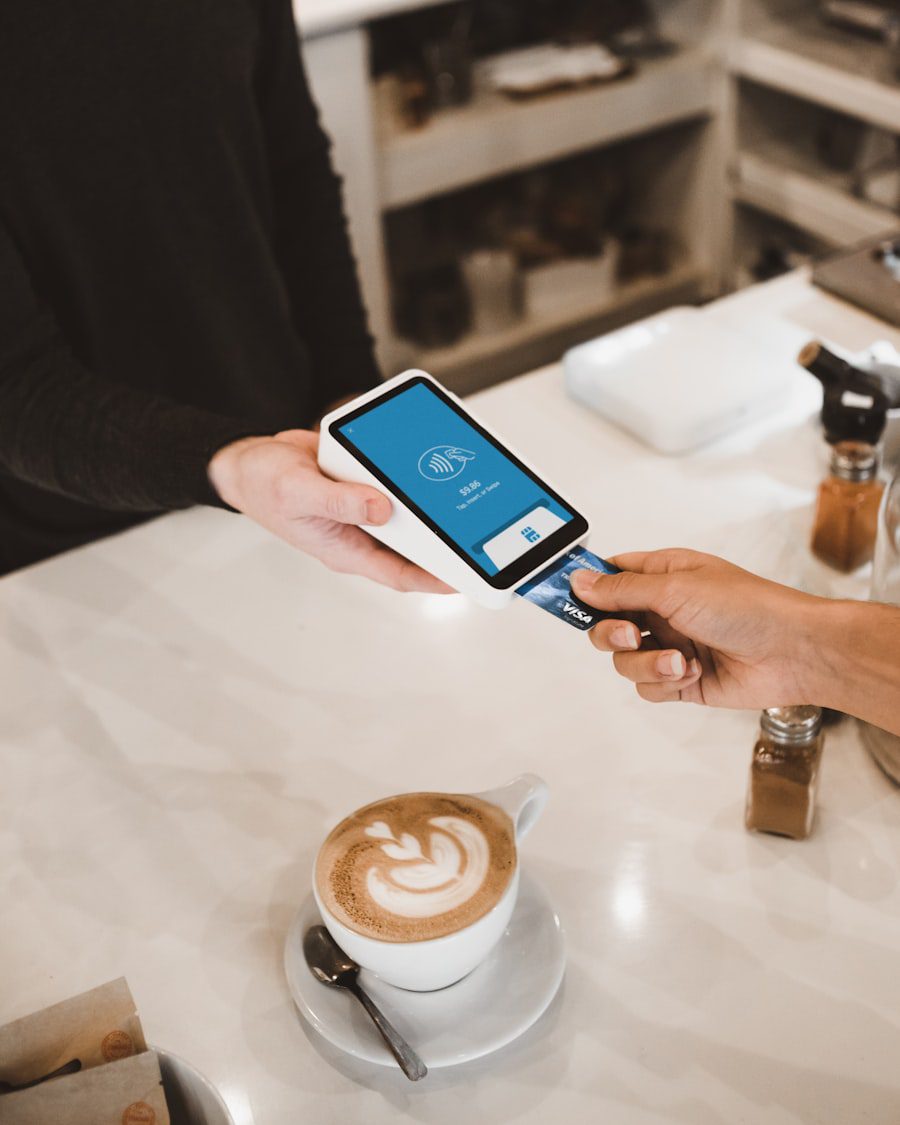
Card Entry Method: Definition & Guide
Card entry method describes how card data is captured for a transaction — chip insert, contactless tap, magnetic stripe swipe, or manual key entry. The same card can cost meaningfully different interchange rates depending on how it was entered. Card entry method is one of the few interchange variables a merchant can directly control through terminal choice and staff training.
The hierarchy is consistent across card networks: chip and tap carry the lowest interchange, swipe is slightly higher, and keyed entry — even when the customer is standing in front of you — is treated as card-not-present and priced accordingly. According to the Federal Reserve’s interchange fee data, entry method is one of the primary variables driving interchange rate variation across transaction types.
How a card is read at the terminal determines which interchange category the transaction qualifies for — and that directly affects what you pay. A card present entry method like chip or tap qualifies for the lowest available interchange rates because the fraud risk is lowest. A keyed transaction on the same card costs significantly more because manually entering a card number carries the highest fraud risk, regardless of whether the customer is physically present.
Understanding how card entry affects fees is the first step to controlling interchange costs. Most merchants have more swipe and keyed transactions than they realize — and a terminal upgrade or staff training change can shift the mix meaningfully.
- EMV chip (dip) — Lowest interchange. Unique transaction code eliminates counterfeit fraud risk. Card networks price this favorably. Card present entry method — full fraud liability protection.
- Contactless NFC (tap) — Equivalent to chip in most cases. Same fraud protection, faster checkout, same rate. Increasingly the preferred card present entry method for in-person transactions.
- Magnetic stripe (swipe) — Slightly higher interchange than chip. Static data that can be copied carries higher fraud risk. Many card networks are phasing out swipe acceptance entirely.
- Keyed entry — Highest rate. Even if the card is physically present, manually typing the card number classifies the transaction as card-not-present. No card-present rate is available for keyed transactions regardless of circumstances.
Your terminal choice determines your entry method mix. A business running outdated equipment without chip readers is swiping every in-person transaction — paying 0.1–0.3% more interchange per transaction than they would on chip. On $50,000 a month, that is $50–$150 in avoidable monthly costs.
Keyed transactions are the bigger problem. Merchants who key card numbers for phone orders, deposits, or recurring charges are paying card-not-present rates on every one. Moving those transactions to a virtual terminal with tokenization does not eliminate the CNP rate, but it reduces manual errors and chargebacks. The CFPB’s guidance on card payment security notes that entry method directly affects fraud liability — merchants using chip readers shift counterfeit fraud liability back to the issuing bank.
Yes. Chip transactions generally qualify at a lower interchange tier than magnetic stripe swipes, even for the same card. The difference is typically 0.1–0.15% per transaction depending on card type.
No. Keyed entries — even when the customer is physically present — are treated as card-not-present and subject to higher interchange. Always use chip or tap when a working terminal is available.
The more transactions you run via chip and tap, the lower your average interchange cost. Minimizing keyed transactions and upgrading terminals to support chip and contactless are the fastest ways to improve your effective rate on in-person volume.
Your Entry Method Mix Drives Interchange Qualification. The Difference Is 80-150 Basis Points.
Send us your last processing statement. We will calculate the share of your volume running chip, swipe, contactless, and keyed, identify which entry methods are qualifying for the best rate, and show you what a fair effective rate looks like at your volume.
Request a Free Statement ReviewNo obligation • For glossary readers comparing pricing models and processor options • Response within one business day