Point-of-Sale (POS) SystemPOS Terminal, Payments & Software
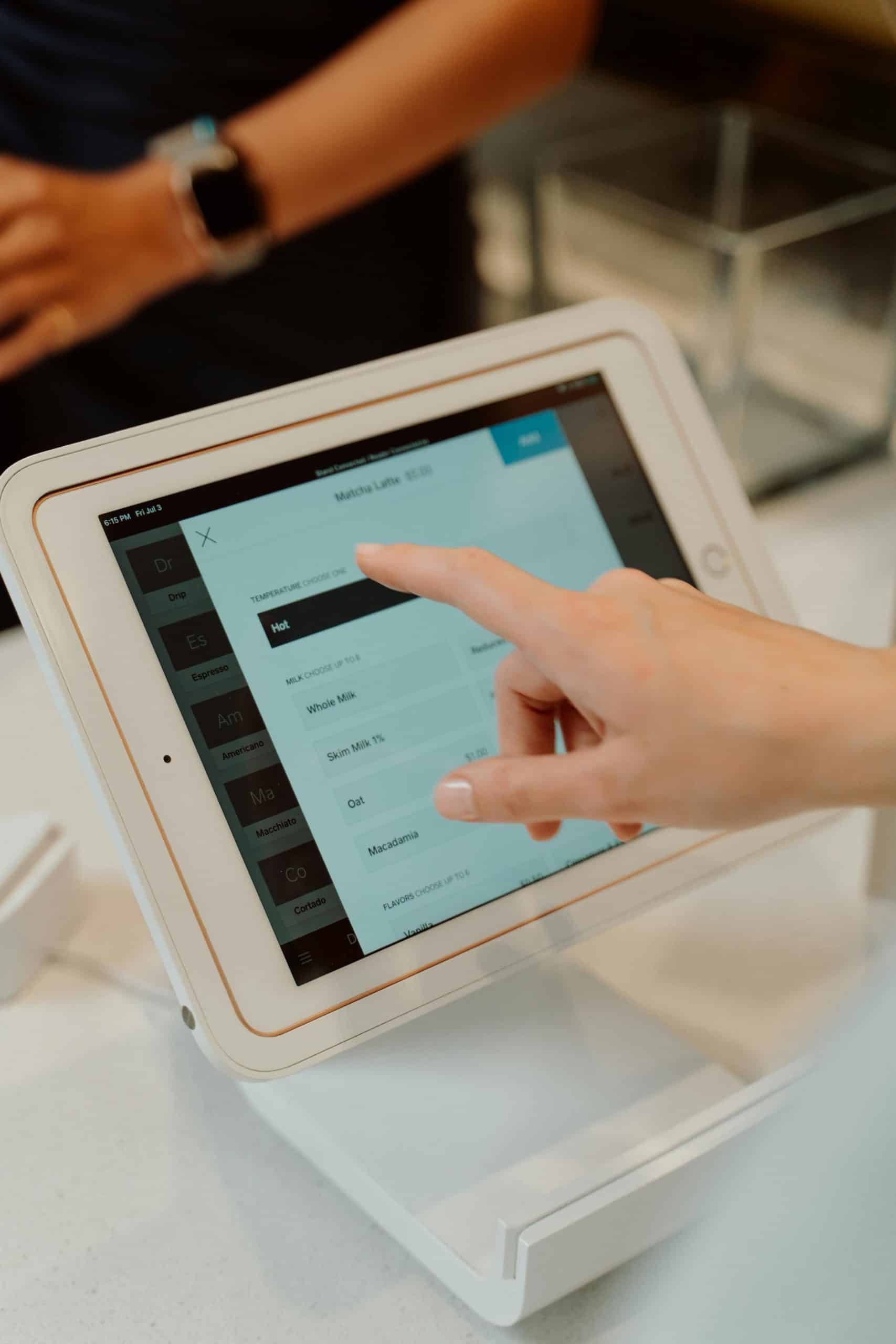
Point-of-Sale System: POS System Definition & Guide
A point of sale system is the combination of hardware and software used to accept payments in person, typically integrated with inventory management, tip processing, receipt printing, and sales reporting. The Federal Reserve’s interchange fee data shows how in-person card acceptance — enabled by POS hardware — qualifies for lower interchange rates than card-not-present transactions.
A POS system manages point of sale payments and your entire transaction workflow at the counter or tableside. Modern systems handle order entry, inventory tracking, tip calculations, check splitting, staff management, and sales analytics. The payment processing component connects your terminal to your merchant account and card networks, but the system as a whole is the operational backbone of most retail and restaurant businesses.
What matters from a payment processing standpoint is how the hardware captures card data — chip, tap, or swipe — since the entry method directly affects your interchange rate and chargeback liability. The CFPB’s payment guidance outlines how card acceptance methods affect both merchant costs and consumer protections.
Here is the flow of a typical transaction:
Your hardware choice affects processing costs in several ways. A terminal that properly reads chip cards qualifies transactions for card-present interchange rates — typically 0.5–1.0% lower than card-not-present rates. NFC/contactless support captures tap-to-pay transactions at the same card-present rate. And hardware that supports Level 2 and Level 3 data can reduce costs on B2B corporate card transactions.
Most modern systems integrate with multiple payment processors, so you are not locked into your POS vendor’s preferred processor. Separating your hardware from your processing relationship gives you the flexibility to negotiate rates independently. Learn more about EMV chip card standards from EMVCo, the body that sets chip card specifications used by every terminal worldwide.
POS software merchant services for retail businesses start with inventory integration, barcode scanning support, and whether the system handles multi-location reporting. For restaurants, tip management, table mapping, and kitchen display integration matter most. For service businesses — contractors, healthcare, professional services — a virtual terminal or mobile reader may be more practical than a countertop unit.
In all cases, confirm that the hardware you choose supports EMV chip and NFC contactless acceptance. Merchants using swipe-only terminals lose the liability shift that chip acceptance provides — meaning fraud chargebacks on swiped transactions fall on the merchant, not the issuing bank.
A payment terminal only processes card payments. A POS system includes the terminal plus software for order management, inventory, reporting, and other business functions. A standalone terminal is a component — a full system is the complete solution.
No. Many systems integrate with multiple processors. You can choose your own POS software and pair it with your preferred payment processor — keeping your hardware and processing relationship separate gives you more flexibility on pricing.
Not directly — rates are set by your merchant account and processor. However, hardware that properly captures chip and contactless payments helps you qualify for card-present interchange rates, which are significantly lower than keyed or card-not-present rates.
Your POS System and Your Processing Setup Affect Each Other. Most Merchants Look at Them Separately.
Send us your last processing statement. We will identify whether your POS hardware lease, software fees, and processing rates are bundled in ways that limit your switching options, and show you what a fair effective rate looks like at your volume.
Request a Free Statement ReviewNo obligation • For glossary readers comparing pricing models and processor options • Response within one business day