She Mailed 150 Homeowners a $12,000 Bill. Collecting It Was the Hard Part.
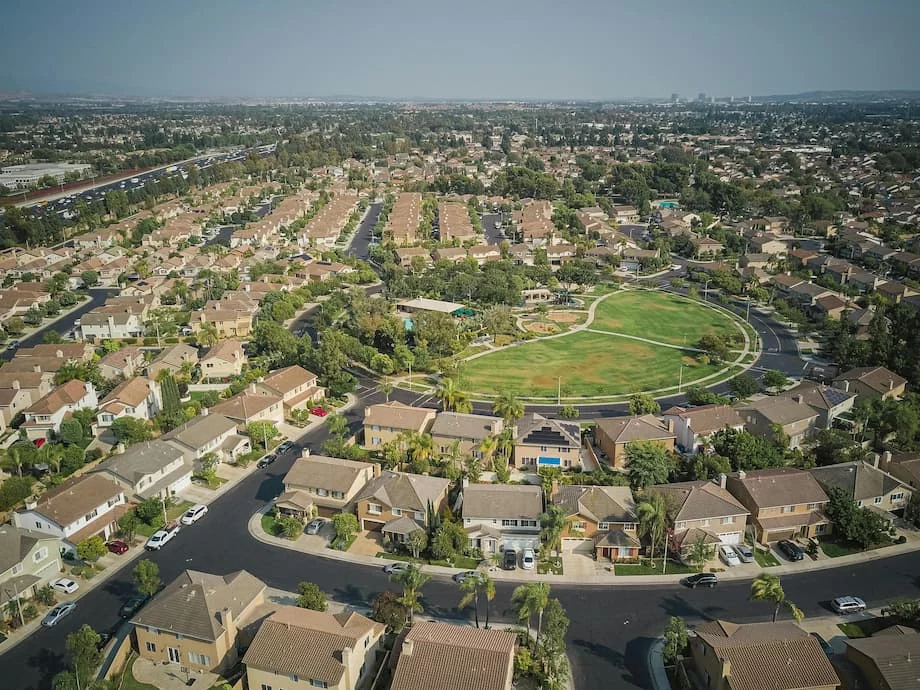
Renata Salas had been treasurer of her 150-home Palm Beach County association for nine months when the board approved an $1.8 million HOA special assessment to repave the private roads and replace the clubhouse roof — about $12,000 per home, due in sixty days. The vote was the easy part. The morning the letters went out, her phone started ringing, and it did not stop.
Some owners wanted to pay the whole thing on a credit card that afternoon. Some could not write a $12,000 check and wanted to know if they could pay it over a year. A few wanted to mail a paper check to an address that no longer existed. The association’s dues portal could take the regular monthly payment and nothing else. Renata, who runs a small accounting practice, realized within an hour that the assessment was not her problem. Collecting it was.
Special Assessments Are Surging Across Florida
For years, many Florida associations kept dues artificially low by deferring maintenance and waiving reserve contributions. After the 2021 Surfside collapse, the state closed that loophole: condo buildings of three or more stories now have to fund Structural Integrity Reserve Studies, and owners can no longer simply vote to skip reserves. The result is that a condo special assessment can now run anywhere from $10,000 to well over $100,000 per unit, and HOAs governed by Chapter 720 — while held to more flexible reserve rules — are feeling the same pressure as deferred roads, roofs, and seawalls finally come due.
The 2025 reforms gave boards more room on the funding side: an association can now reach for loans, a line of credit, or a special assessment to cover a reserve shortfall. That kind of special assessment financing decides how the association raises the money. It does nothing to solve the part that landed on Renata — how 150 households actually pay.
An assessment is a board decision. Collection is an operations problem. The two get planned together about as often as the roof and the rain — which is to say, rarely, and usually too late.
The Real Cost of Collecting an HOA Special Assessment
Here is the math that surprised Renata. The owners who wanted to pay by card were not doing the association any favors. A typical card fee of around 3% on a $12,000 charge is about $360 per home. If even forty owners paid that way, the association would surrender more than $14,000 in processing fees — money that was supposed to go to asphalt and shingles. On the full assessment, letting everyone swipe a card could cost the community north of $50,000 in fees alone.
That is why collecting HOA special assessments is almost always an ACH story, not a card story. An ACH bank transfer moves a large one-time payment for a flat fee of a dollar or two, not a percentage — so a $12,000 payment costs the association the same as a $200 one. For five-figure amounts, the difference is not a rounding error. It is the budget.
Defaulting to “we’ll just take cards” on a large assessment quietly hands a percentage of the whole project to the processor. On a six- or seven-figure assessment, that is a line item no one voted for.
Payment Plans Without a Spreadsheet
The other half of Renata’s phone calls came from owners who simply could not produce $12,000 in sixty days. A rigid lump-sum demand turns into delinquencies, liens, and angry meetings — the slowest and most expensive way to collect. The fix is a special assessment payment plan: the association offers owners the option to split the charge into scheduled installments, most commonly six or twelve monthly ACH pulls, set up once and run automatically.
Done by hand, that means a treasurer tracking 150 informal arrangements in a spreadsheet. Done properly, the payment system holds the schedule, debits each owner on the same day, and flags a failed payment the morning it happens — no manual reconciliation. Giving owners real special assessment payment options up front is the single biggest lever on how fast the money actually arrives.
Whether your association can require ACH, charge a card fee, or set installment terms is governed by your CC&Rs and state law — confirm the rules before you publish a payment policy.
How to Pay a Special Assessment: And How a Board Should Take It
When an owner asks how to pay a special assessment, a well-run association has a simple answer: log into the portal, choose pay-in-full or a payment plan, and pay by bank transfer at no added cost. The pieces behind that answer are not complicated, but they have to exist before the letters go out.
It starts with a merchant account and portal that can carry a one-time assessment line separate from recurring dues — the same problem a full HOA fee collection system solves for amenity and vendor revenue. ACH is set as the default rail so the large payments cost the association almost nothing. Cards stay available for owners who insist, but the fee is passed through transparently as a special assessment convenience fee rather than absorbed — the same legal mechanism covered in our piece on the HOA convenience fee. And installments are handled by the system, not a binder.
Set up this way, Renata’s association collected most of the assessment by ACH at near-zero cost, gave the cash-strapped owners a clean twelve-month plan, and never touched a spreadsheet. The project got its full budget instead of leaking it to processing fees.
Renata Salas is an illustrative composite. The fees, contract terms and mechanics described here are real and documented elsewhere on this site — the person and the business are not. Brookside does not publish real clients’ statements, which is why the sample statement review is a composite too.
Frequently Asked Questions
In most cases yes — a special assessment convenience fee passes the card cost to the owner who chooses to use a card, rather than the whole community absorbing it. Whether and how you can do it depends on your CC&Rs and state law, so confirm the rules before publishing a fee policy.
Yes, if the board offers it. A special assessment payment plan splits the charge into scheduled ACH installments — commonly six or twelve months — set up once and debited automatically, which collects faster than a rigid lump-sum demand.
ACH bank transfer. It moves a five-figure payment for a flat fee of a dollar or two instead of a card’s ~3%, so the association keeps the money for the project. Make ACH the default and treat cards as the exception.
Set up collection before the letters go out.
If your board has an HOA special assessment coming, we’ll help you set up ACH-first collection, owner payment plans, and a transparent card option so the project keeps its full budget — no obligation. Learn more about payment processing consumer protections from the CFPB.
Request a Free AnalysisNo obligation • No pressure • Response within one business day
See what a statement review looks like →