Dr. Lin’s Implant Cases Got Bigger. His Dentrix Payments Bill Got Bigger Faster.
Dentrix runs the practice. Dentrix Pay runs the cost of accepting payments — and as Dr. Lin’s average case value climbed from $400 to $1,800, his processing bill scaled faster than his revenue. Here’s how to reduce Dentrix payments fees without giving up the software your team built around.
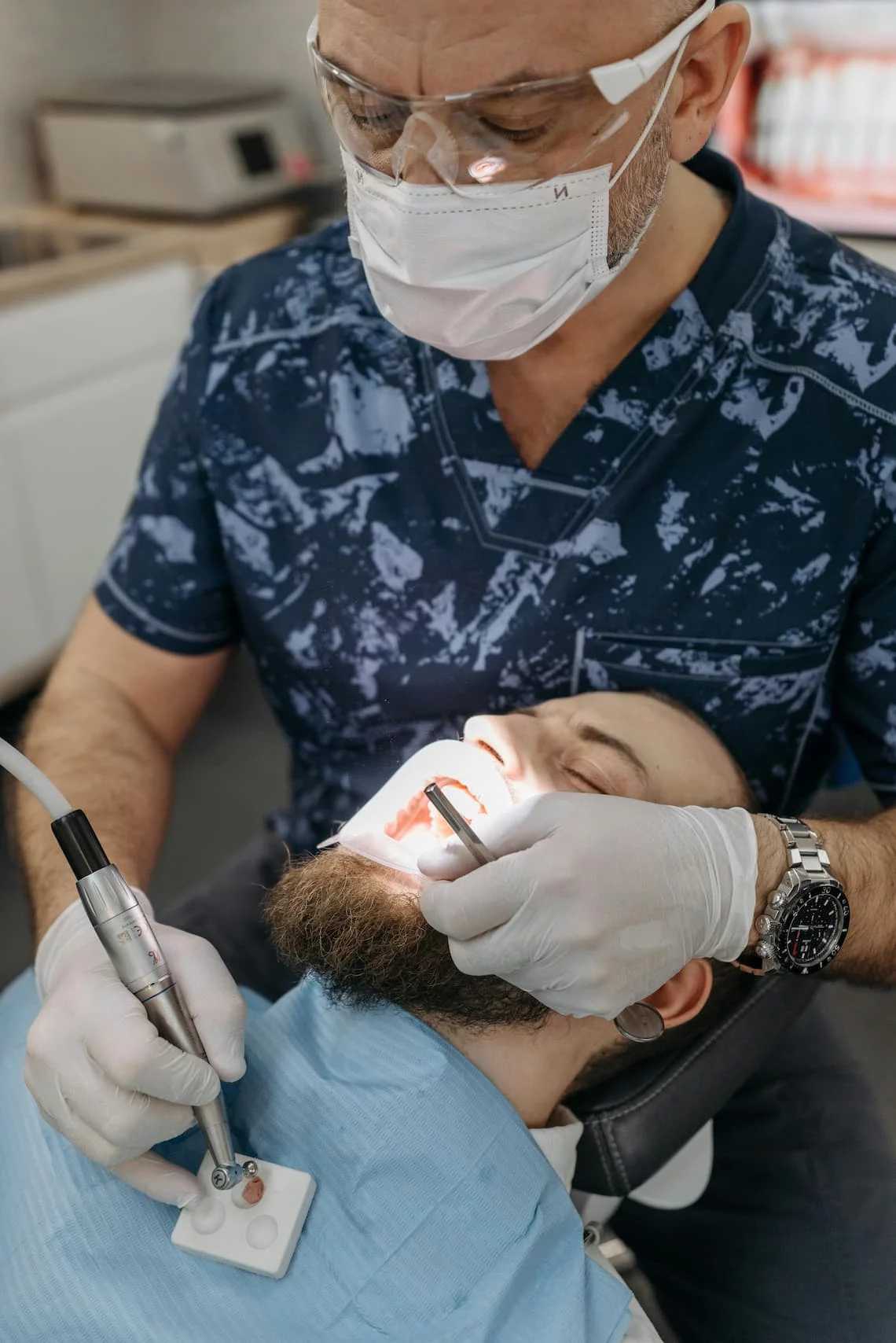
Dr. Lin took over his practice from a retiring partner six years ago. He kept the Dentrix installation — twenty years of patient histories, scheduling rhythms, billing workflows the front desk had memorized. He didn’t want to disrupt any of it. When Henry Schein’s rep walked him through Dentrix Pay two years in, the pitch made sense. Same vendor. Same support number. Payments would post directly to the patient ledger. He signed up that afternoon.
Back then his average case was around $400. General dentistry — cleanings, fillings, the occasional crown. Card processing felt like a rounding error.
Then he added implants. Then full-arch reconstructions. Then a CEREC system that put same-day cosmetic crowns in reach. His average case value tripled over four years. His monthly card volume went from $22,000 to $78,000. And his Dentrix Pay statement went from $640/month to $2,730/month — a 4.3x jump on a 3.5x volume increase, because larger transactions ran into the higher-rate tiers Dentrix Pay reserves for premium cards.
He’s now paying 3.5% effective. On a $1,800 implant case paid by credit card, Dentrix Pay takes $63 before he sees the deposit. Over a year, on $940,000 in card volume, he’s spending $32,800 on payment processing. The same volume on a properly structured merchant account with dual pricing in place would cost him near zero.
If your effective rate on Dentrix Pay has gone up as your practice grew, that’s not coincidence — it’s how the bundled-margin pricing model works. The higher-value rewards and corporate cards that dominate large-ticket payments carry the widest gap between actual interchange and the flat rate Dentrix Pay charges. Growing into larger cases makes the markup compound, not shrink.
How Dentrix Pay Pricing Actually Works
Dentrix Pay is Henry Schein’s integrated payment processor — the same parent company that sells Dentrix the practice management software. Like Eaglesoft Payments on the Patterson Dental side, Dentrix Pay runs on a back-end relationship with Worldpay (Fiserv). Henry Schein sits as the merchant of record and keeps a margin on every transaction.
The rate structure isn’t advertised on any public page. The rep conversation typically references “competitive rates” or compares against Square or Stripe. What practices actually find on the statement is a flat-blended or tiered structure that hides interchange entirely. Here’s the typical breakdown when we audit a Dentrix Pay statement:
| Component | What You Pay | What It Should Be |
|---|---|---|
| Qualified card rate | 2.6% + $0.10 | Interchange + 0.25–0.50% margin |
| Mid-qualified (rewards) rate | 3.2% + $0.15 | Interchange + same margin |
| Non-qualified (premium/corp) rate | 3.8% + $0.20 | Interchange + same margin |
| Monthly platform + PCI fees | $35–$85/mo | $5–$15/mo total |
The tier structure is where the compounding happens. Dentrix Pay decides which transactions fall into which tier — not the card network. A patient paying for a $2,400 cosmetic case with a Chase Sapphire or Amex rewards card almost certainly lands in non-qualified at 3.8%. The patient sees the transaction on their statement and earns points. The practice eats the markup.
According to Federal Reserve interchange data, the actual interchange cost on a rewards credit card is typically 1.8%–2.4%. Dentrix Pay charges 3.2%–3.8% for the same transaction. The 1.0%–1.4% gap is pure margin — and the first step to reduce Dentrix payments fees is recognizing how that gap scales with case size.
Smaller cases ($100–$300) tend to be paid with debit, HSA, or basic credit — cards that land in qualified tier. Larger cases ($1,000+) skew heavily toward rewards and premium cards because patients use the card that earns them the most points on big purchases. As the practice grows into higher-AOV procedures, the proportion of transactions in the non-qualified tier rises. The effective rate climbs even though the per-transaction rate didn’t change.
What Dentrix Pay Costs Dr. Lin Each Year
Dr. Lin processes $78,000 a month in card volume. The mix has shifted as his cosmetic and implant practice grew: about 60% of transaction value now comes from cases over $1,000, most of those paid by rewards or premium credit cards. The remaining 40% spans cleanings, hygiene visits, and smaller restorative work — debit-heavy.
Here’s what he actually pays on Dentrix Pay versus what the same transactions would cost under an interchange-plus merchant account — and what they’d cost with dual pricing layered on top:
| Line Item | Dentrix Pay | Interchange-Plus |
|---|---|---|
| Large-case processing (rewards/premium) | $21,330 | $13,200 |
| Standard-case processing (debit/qualified) | $10,790 | $5,990 |
| Monthly platform + PCI fees | $720 | $180 |
| Annual total | $32,840 | $19,370 |
The gap is $13,470 per year. That’s the amount Dr. Lin could reduce Dentrix payments fees by just on the interchange-plus path — without dual pricing yet, without changing his patient checkout flow at all. It’s an associate dentist’s productivity bonus. It’s a year of laboratory costs on his higher-end cases. It’s pure margin walking out the door because Henry Schein gets paid every time a patient swipes.
The dual pricing path is more aggressive. Layer dual pricing on top of an interchange-plus merchant account, and Dr. Lin’s net processing cost drops to near zero. Patients paying with HSA, FSA, or debit pay the cash price. Patients paying with rewards credit cards cover the service fee that offsets the processing cost. The practice keeps the rest. The cumulative effect of never trying to reduce Dentrix payments fees compounds in exactly the way Dr. Lin already lived — six years on Dentrix Pay, growing case sizes, growing margin to Henry Schein.
A growing dental practice on Dentrix Pay sees its effective rate creep up year over year as case mix shifts toward larger transactions paid by premium cards. Most owners don’t notice because the per-transaction rate didn’t change — only the blend did. At Dr. Lin’s volume, six years on Dentrix Pay has cost him roughly $80,000 in fees that wouldn’t have existed under transparent pricing. Another six years compounds that to $160,000+.
You Don’t Have to Leave Dentrix to Reduce Dentrix Payments Fees
The reason most dental practices stay on Dentrix Pay isn’t that the rate seems fair. It’s that they assume the only way to reduce Dentrix payments fees is to give up the integration — the auto-posting of payments to the patient ledger, the reconciliation reports, the workflow the team built around.
That’s not how Dentrix works. Dentrix accepts manual payment posting from any merchant account. The “integration” with Dentrix Pay is a convenience that saves about 30 seconds per transaction at checkout — nothing more. Your front-office team already posts cash payments and check payments manually. Adding card payments from an outside merchant account to that same flow is the same procedural step they already perform.
Many practices that reduce Dentrix payments fees this way don’t even add steps. They run cards through a standalone terminal or virtual terminal at checkout, then batch-post the day’s totals to Dentrix at end-of-day. The patient experience is identical. The reconciliation is the same as for any non-Dentrix-Pay payment. The savings shows up immediately.
- Tiered 2.6%–3.8% rate structure
- Henry Schein sets the margin
- Tier assignments hidden from view
- Monthly fees stack ($45–$85+)
- One-click reconciliation to ledger
- Cost grows with case size
- Interchange + 0.25%–0.50% margin
- Card networks set interchange (visible)
- Every card cost itemized
- Monthly fees minimal or zero
- End-of-day posting to ledger
- Cost stays proportional to volume
If you’ve been told the software integration is the reason you can’t switch — that’s the Henry Schein pitch, not the operational reality. Reps have a vested interest in keeping you on Dentrix Pay because that’s where the recurring margin compounds. They’ll emphasize friction that doesn’t exist. The actual question is whether saving 30 seconds per transaction is worth tens of thousands of dollars a year. For most practices doing more than $25,000/month in card volume — and certainly for any practice growing into higher-AOV procedures — the path to reduce Dentrix payments fees is straightforward once you know it exists.
Dual Pricing: How Dental Practices Eliminate Card Processing Costs Entirely
Switching to interchange-plus cuts Dr. Lin’s fees from $32,840 to $19,370 per year. That’s real money. But it’s not the most aggressive way to reduce Dentrix payments fees, and for practices with his case mix, it’s not the play we’d lead with.
The model that fits dental — and especially fits a growing implant or cosmetic practice — is dual pricing. Under a dual pricing program, you post two prices at point of sale: a cash price (the procedure cost) and a card price (cash price plus a small service fee, typically 3–4%, that offsets processing). HSA, FSA, debit, and check payments qualify for the cash price. Credit card payments cover the cost of their own processing. The practice’s net processing cost approaches zero.
| Path | Annual Cost | Annual Savings vs. Dentrix Pay |
|---|---|---|
| Stay on Dentrix Pay | $32,840 | — |
| Switch to interchange-plus | $19,370 | $13,470 |
| Switch + add dual pricing | Near zero | ~$32,000 |
For a practice with growing implant and cosmetic AOV, dual pricing fits especially well. Three reasons:
- Large-ticket transactions make the patient choice visible. On a $2,400 implant case, the cash-vs-card difference is $72–$96. That’s a meaningful number patients can see. Many will choose to pay by HSA or debit to avoid it — exactly the cards that cost the practice the least to process anyway.
- Treatment plan discussions already involve price. Implants and cosmetic cases involve pre-treatment estimates, financing options, payment plan conversations. Adding a clear cash-price-vs-card-price line item fits that existing conversation naturally — it’s consistent with the financial transparency patients already expect.
- HSA and FSA cards bypass the surcharge entirely. These are debit-rail cards, so they qualify for the cash price. Patients using their healthcare savings — common in larger restorative and cosmetic cases — see no change.
The catch is the same one that produces the high fees in the first place: Dentrix Pay doesn’t natively support dual pricing. The platform has one price field. To run dual pricing properly you need either a terminal that prompts cash vs. card at point of sale, or a POS overlay that applies the service fee automatically. Both are standard equipment on a regular merchant account. Neither is available through Dentrix Pay.
To genuinely reduce Dentrix payments fees down to near zero, you have to step outside the Dentrix Pay product — which, as the prior section explained, doesn’t require leaving the Dentrix software itself.
Concierge-care practices that bill after the fact and never display prices may find dual pricing awkward. Cosmetic practices competing heavily on advertised price for elective procedures may prefer to absorb processing costs rather than expose them at checkout. Outside those narrow cases, the dual pricing model fits dental better than any other vertical.
How to Tell If Dentrix Pay Is Costing You Too Much
Before you can reduce Dentrix payments fees, you need to confirm you’re actually overpaying. Pull your most recent Dentrix Pay statement and look for these three signals:
Calculate your effective rate by dividing total fees by total card volume for any recent month. For a practice with a normal dental card mix, anything above 2.5% is leaving real money on the table. For a practice with growing implant/cosmetic AOV — where rewards cards skew the mix — anything above 2.8% should trigger a closer look. The move to reduce Dentrix payments fees almost always pays for itself within the first 60 days, whether via interchange-plus or dual pricing.
Patient checkout flow stays nearly identical (and fully identical, if you stay on interchange-plus without adding dual pricing). Dentrix continues as your practice management software for everything except the payment processing step. End-of-day reconciliation gets a 30-second step (or none, if you batch-post). The savings shows up immediately on next month’s statement. Most growing practices wonder why they didn’t switch sooner.
Frequently Asked Questions
Yes. You keep using Dentrix as your practice management software and switch only the payment processor. Card payments flow through a standalone merchant account, then post to the patient ledger via Dentrix’s standard payment posting workflow — same as you’d post a check or cash payment. The software integration changes nothing about the patient experience or your team’s daily workflow.
It hasn’t, technically — but your effective rate has. Dentrix Pay uses a tiered structure where premium cards (rewards, corporate, travel) cost more than basic debit. As your practice grows into larger cases, more patients pay with the premium cards that earn them points on big purchases. Your transaction mix shifts toward the higher-cost tiers, your effective rate climbs, and the bundled-margin model captures more of every dollar.
Yes — these are the dental practices where dual pricing tends to work best. Larger transactions make the cash-vs-card price difference visible and meaningful (a $2,400 implant case shows a $72–$96 difference), and treatment plan discussions already involve open price conversations. HSA, FSA, and debit cards qualify for the cash price automatically. Net processing cost to the practice falls to near zero. The only practices where it doesn’t fit cleanly are concierge models that never display prices and competitive cosmetic markets where advertised pricing is sensitive.
For a growing implant or cosmetic practice on interchange-plus, an effective rate of 2.0%–2.3% is achievable with a transparent processor — slightly higher than a general practice because the card mix tilts toward rewards. Add dual pricing on top of the switch and the effective rate falls to near zero. If your Dentrix Pay effective rate is above 2.8%, you can reduce Dentrix payments fees significantly without changing your software at all.
Your Practice Grew. Your Payment Processor Shouldn’t Be the Beneficiary.
Send us your last Dentrix Pay statement. We’ll show you exactly what you’re paying tier by tier, what the actual interchange cost should be on your case mix, what the same volume would cost on a transparent merchant account that still posts cleanly to Dentrix, and whether dual pricing would eliminate processing costs entirely. Most reviews are done within one business day. If you can reduce Dentrix payments fees significantly, the math will be obvious. If your current rate is already fair, we’ll tell you that too.
Get Your Free Statement ReviewNo obligation • No pressure • Response within one business day
See what a statement review looks like →